

Search engine optimization is an ongoing process that depends on creating content that remains useful and relevant over time. While news articles and trend-based posts often attract short bursts of attention, evergreen content is designed to provide lasting value long after it is published. This type of content addresses topics that continue to interest readers regardless of changing trends or current events. As search engines increasingly reward high-quality and informative material, evergreen content has become an important part of long-term SEO strategies by helping websites maintain visibility, attract consistent traffic, and strengthen overall authority.

Understanding Evergreen Content
Evergreen content focuses on subjects that remain relevant for extended periods rather than topics tied to specific dates or short-lived events. Articles that explain concepts, answer common questions, or provide detailed educational information often continue attracting readers months or even years after publication. Because the information remains useful over time, these pages require fewer major updates than time-sensitive content. This lasting relevance allows evergreen articles to continue supporting a website’s search presence well beyond their original publication date.
Strengthening Website Authority
Publishing informative evergreen content contributes to a website’s overall credibility within its subject area. When multiple articles consistently provide clear and accurate information, search engines gain stronger signals that the website covers its topics in depth. Readers also benefit from content that remains relevant whenever they return to the site. Over time, a growing collection of evergreen articles helps establish topical authority, making it easier for search engines to understand the website’s expertise and relevance.
Supporting Internal Linking and Content Organization
Evergreen content also plays an important role in improving website structure through internal linking. Because these articles remain relevant for long periods, they can serve as central resources that connect related topics across the site. Newer articles can naturally reference evergreen pages, helping both readers and search engines navigate the website more effectively. A well-organized internal linking strategy improves content discovery while strengthening the relationships between different pages within the same website.

Building Consistent Organic Traffic
One of the greatest strengths of evergreen content is its ability to generate steady organic traffic over time. Search engines aim to provide users with useful and reliable information, making well-written evergreen articles valuable resources for recurring searches. As more users discover and engage with these pages, they can continue attracting visitors without relying on seasonal interest or breaking news. This consistent visibility helps websites establish a stable foundation for long-term search performance rather than depending solely on short-term traffic spikes.
Adapting to Changes in Search Behavior
Although evergreen content is designed to remain relevant, it still benefits from periodic reviews and updates. Search behavior, user expectations, and search engine algorithms continue to evolve, making occasional improvements valuable for maintaining accuracy and usefulness. Refreshing examples, updating statistics, and improving readability help evergreen articles remain competitive while preserving their long-term search value. This balance between lasting relevance and careful maintenance allows evergreen content to continue supporting SEO growth for years.
Evergreen content supports long-term SEO growth by providing lasting value that continues attracting readers well beyond its publication date. Through consistent organic traffic, stronger website authority, effective internal linking, and ongoing relevance, it forms an essential part of a sustainable search optimization strategy. While time-sensitive content remains valuable for covering current developments, evergreen articles create a dependable foundation that helps websites maintain visibility over the long term. Their enduring usefulness makes them one of the most effective tools for achieving steady and sustainable SEO success.










 Let’s make it simple by taking a look at yourself. How many minutes, if not seconds, do you usually take to watch a super boring content post on some lousy startup page? Two seconds, or even none, right? So make sure to inject a bit of humor in your post. It will not only grab the attention of your readers but also ‘lighten up’ the atmosphere and make it more enjoyable for them. Don’t be afraid to put a funny spin on things and find creative ways to bring some laughter into your content. After all, laughter is always a great way to engage your audience.
 If you think none of the above apply, it’s time to go for a plot twist in your content. Try to come up with creative ideas that can help you surprise your followers and keep them guessing. This could be anything from announcing a contest or giveaway to revealing something unexpected about yourself or your business. The key point here is to grab the attention of your followers in an unexpected way and engage them with something creative and exciting. Using these four creative ideas, you should be able to craft engaging social media posts that will captivate your followers and get them to take meaningful action. Never let any hesitation stop you from embracing your creativity and coming up with new ideas for engaging posts. Keep experimenting, and you’ll be sure to find the right combination of story, humor, visuals, and plot twist that will get your followers’ attention.
 When you’re first starting out in affiliate marketing, it’s essential to choose a niche market to focus on. This will help you narrow down your options and find the best products and services to promote. Once you’ve selected a niche, research the affiliate programs that are available.








 When you are hiring a professional web design, make sure that you identify what you need. With a clear focus on what you intend to achieve, you can base your needs on the agency you are about to hire. By doing this, you will find the right company.
 If you want to advertise on the web, the first step is to find an SEO firm. And the simplest way to do this is through online search. Since this firms have gathered enough knowledge and understand the benefits of advertising online, they also advertising their services online. While looking for them online you will learn that, Search Engine Optimization Companies help a business to create websites, and also ensure that they generate traffic to the site.
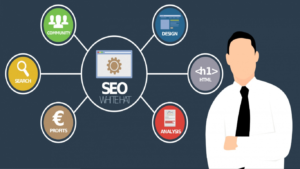 There are basically two different types of advertising, the first one is through appearance on search engine web searches like google, and the second is social media. For those who are new to online marketing, you should know that at this day the best online platform to use for market and advertising is social media. Therefore, you should ensure that the company you choose has sufficient knowledge about social media marketing.
 Before you go saying that using an
 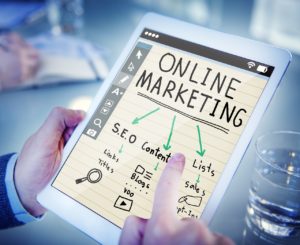 Believe it or not, packaging and marketing can be the turning tables of your success. If your products or business is delivered in bad design, customers might feel reluctant to buy it. Believe it or not, cute packagings might spark the interest in a customer. For example, let’s say that you’re selling a skincare product with the concept of nature, but you box the product in a black, elegant packaging which doesn’t suit the idea. So, make sure to know what you’re selling and make sure that you’re packaging and marketing it the way you should.







 The Internet has given birth to a new pattern of Public Relation management. Japanese companies are known for their eccentric advertisements that go viral quickly. Ads creators are no longer rigid and strict regarding the contents. The more viral an ad is, the better the SEO (Search Engine Optimization) status is.
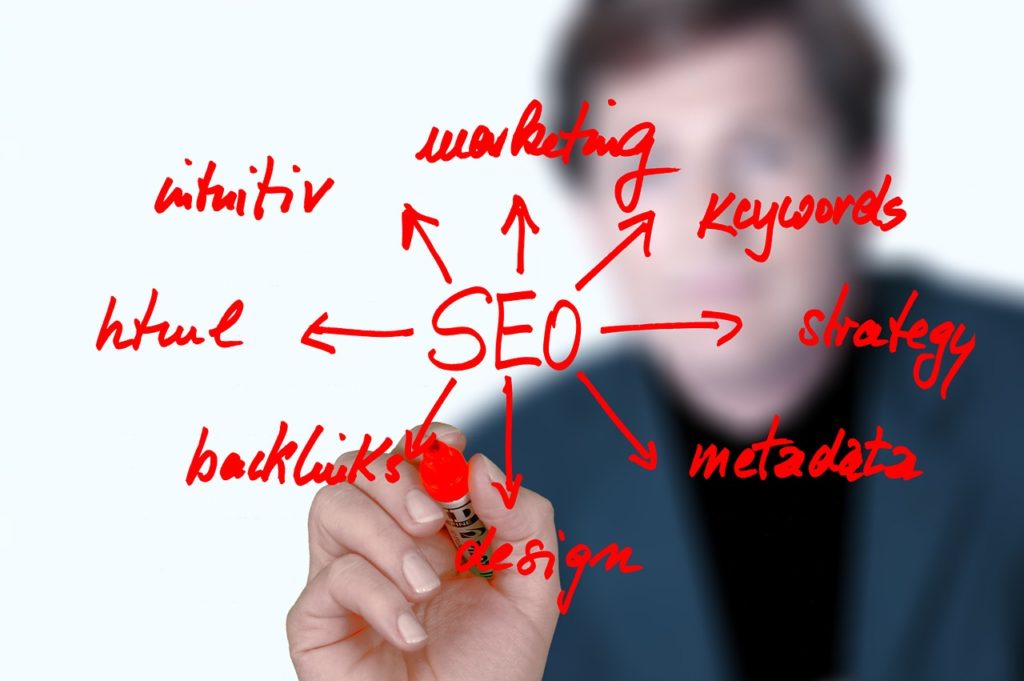
 How does SEO work? There are two elements of SEO: On-site SEO and Off-site SEO. The On-site SEO includes putting title tag and meta description with related keywords. Meanwhile, for the Off-site SEO, the main thing to do is to build links, also known as Link Building strategy. It gets your company’s link to be hyperlinked by other webs (backlink process).
 In digital marketing, there are several things to consider to create a perfect marketing plan. Traffic and ranking hold the key roles in digital visibility. Therefore, before creating a site’s contents, the provider must do keyword research first. The goals are to evaluate the market’s condition and the customer’s behaviors in product browsing and e-commerce transaction. Accurate data related to those matters can even be useful in predicting the future market.
 Duplicating contents is a mistake that you will be least likely to commit by yourself unless you employ an inexperienced SEO service. Unique URLs must have original contents, and that is what the search engine’s algorithms pursue. Repetitiveness and redundancy will be the two main factors that can get a site to be scraped off from the ranking system.
 It is a grave mistake for SEO articles not to be compatible with mobile gadgets. People are even more attached to their phones and tablets than a laptop. When a person has a question that he/she needs to Google, ninety percents of them will browse through their smartphones. And if your company’s web does not support the device, then it is going to be a major loss of potential customers.
 If you have a well-written content that goes viral for a particular period, your site will experience a temporary boost on the traffic. It seems like an advantage for you, but in reality, it is far from it.